Introduction
As electric vehicles continue to gain popularity around the world, understanding how to charge them efficiently has become essential for every owner. This Electric Vehicle Charging Guide explains everything you need to know about charging your EV at home, at work, or on the road. Unlike traditional fuel-powered cars, electric vehicles rely entirely on battery power, making charging an important part of daily driving.
Modern charging technology has made owning an electric vehicle easier than ever. Whether you are purchasing your first EV or simply looking to improve your charging habits, knowing the different charging options, equipment, and best practices can save both time and money. This guide also covers charging speeds, battery care, costs, and practical tips for maximizing battery life. By following this Electric Vehicle Charging Guide, you can confidently keep your vehicle ready for every journey while protecting your battery investment for years to come.
Understanding Electric Vehicle Charging
Electric vehicle charging simply means transferring electricity from a power source into your vehicle’s battery. Although the process sounds straightforward, several factors influence how quickly and efficiently charging takes place. Battery size, charger type, weather conditions, and the vehicle’s onboard charging system all play important roles.
Electric vehicles use rechargeable lithium-ion batteries designed to deliver reliable performance over many years. Unlike gasoline vehicles that require regular visits to fuel stations, EV owners have the flexibility to charge at home overnight or use public charging stations during travel. Charging habits can also affect battery longevity. Maintaining a moderate charge level and avoiding unnecessary fast charging can help preserve battery health.
Understanding the basics helps drivers choose the right charging method based on their daily driving needs. Whether commuting short distances or taking long road trips, proper charging knowledge makes electric vehicle ownership far more convenient and stress-free.
Types of EV Charging Levels
Electric vehicle charging is generally divided into three main levels, each designed for different situations and charging speeds. Knowing these charging levels helps drivers make informed decisions depending on their lifestyle and travel requirements.
Level 1 charging uses a standard household electrical outlet. It is the slowest method but requires no special installation. This option works well for drivers who travel relatively short distances each day and can charge overnight.
Level 2 charging is significantly faster and requires a dedicated charging unit installed at home or available in many public locations. Most EV owners prefer Level 2 charging because it offers a practical balance between speed and affordability.
Level 3 charging, often called DC fast charging, is primarily found at commercial charging stations. It delivers rapid charging during long-distance travel, allowing drivers to regain a large percentage of battery capacity in a short time. This Electric Vehicle Charging Guide recommends selecting the charging level that best matches your daily routine.
Home Charging Solutions
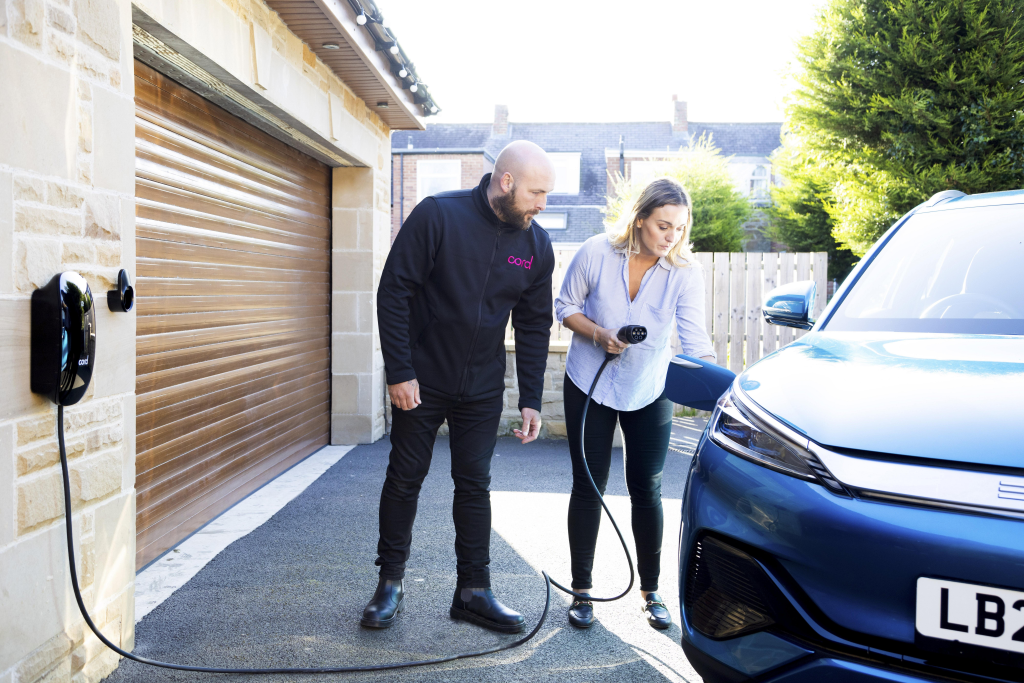
Home charging remains the most convenient and cost-effective option for most electric vehicle owners. Charging overnight allows drivers to begin each day with a full battery while avoiding unnecessary trips to public charging stations.
Installing a Level 2 charger requires professional electrical installation, but the investment usually pays off through greater convenience and reduced charging times. Home charging systems often include smart features that allow users to schedule charging during off-peak electricity hours when rates are lower.
Safety should always be a priority when charging at home. Dedicated charging equipment, proper wiring, and regular inspections help ensure reliable performance. Keeping charging cables clean and protected from weather conditions also extends their lifespan.
Many utility providers also offer incentives or reduced electricity rates for overnight charging, making home charging even more economical. Careful planning ensures that charging becomes a seamless part of everyday life.
Public Charging Stations
Public charging infrastructure continues to expand rapidly, making electric vehicle travel increasingly practical. Charging stations are commonly found in shopping centers, office buildings, hotels, parking garages, and highway rest areas.
Public chargers vary in charging speed, pricing, and availability. Some stations provide Level 2 charging for extended parking periods, while others offer high-speed DC fast charging for quick stops during long journeys. Mobile applications can help drivers locate nearby charging stations and check their availability before arriving.
Planning longer trips becomes easier when charging stops are included in advance. Most modern electric vehicles include built-in navigation systems that recommend charging locations based on battery level and driving distance.
As charging networks continue to grow, range anxiety is steadily decreasing, allowing drivers to travel with greater confidence across cities and highways.
Charging Costs and Saving Money
Charging an electric vehicle is generally much less expensive than purchasing gasoline, but actual costs depend on electricity rates, charging location, and vehicle efficiency. Home charging usually provides the lowest operating cost, especially when charging during off-peak hours.
Public charging prices vary depending on charging speed and network provider. Fast charging often costs more because of the higher power delivery and convenience. Some workplaces, shopping centers, or hotels may even provide complimentary charging for customers or employees.
Drivers can reduce charging expenses by scheduling overnight charging, maintaining efficient driving habits, and avoiding unnecessary rapid charging sessions. Monitoring electricity consumption also helps estimate monthly charging costs accurately.
Following these strategies makes electric vehicle ownership more affordable while maximizing long-term savings on transportation expenses.
Battery Health and Charging Best Practices
Proper battery care significantly influences the lifespan and performance of an electric vehicle. Modern EV batteries are highly durable, but consistent charging habits help maintain optimal efficiency over many years.
Experts generally recommend keeping the battery charge between approximately 20% and 80% for daily driving whenever practical. Regularly charging to 100% is useful before longer trips but may not be necessary for everyday commuting.
Extreme temperatures can temporarily affect charging speed and battery performance. Parking in shaded areas during hot weather and protected spaces during cold weather helps improve charging efficiency.
Using manufacturer-approved charging equipment also reduces potential risks and ensures compatibility. This Electric Vehicle Charging Guide encourages drivers to prioritize battery health through consistent charging practices rather than relying heavily on frequent fast charging.
Safety Tips for Electric Vehicle Charging
Safety remains one of the most important aspects of charging any electric vehicle. Fortunately, modern charging systems include multiple built-in protections to prevent electrical hazards.
Always inspect charging cables for signs of wear or damage before connecting them. Never use damaged connectors or extension cords that are not designed for EV charging. Ensure charging equipment remains dry and free from excessive dirt or debris.
Professional installation is strongly recommended for home Level 2 chargers. Certified electricians ensure electrical systems meet local safety standards and provide adequate circuit protection.
Drivers should also follow manufacturer instructions regarding charging limits, compatible equipment, and maintenance schedules. Simple precautions help prevent unnecessary problems while ensuring reliable charging performance.
Future of Electric Vehicle Charging
The future of EV charging is evolving rapidly with continuous technological innovation. Faster charging speeds, improved battery technology, and expanded charging infrastructure are making electric vehicles more practical for everyday transportation.
Wireless charging technology is under development, allowing vehicles to recharge simply by parking over specially designed charging pads. Ultra-fast charging stations capable of delivering significant battery capacity within minutes are also becoming more common.
Renewable energy integration is another promising trend. Many homeowners combine rooftop solar panels with home charging systems, reducing electricity costs while supporting environmentally friendly transportation.
Smart charging software will continue improving efficiency by automatically scheduling charging during periods of lower electricity demand, helping stabilize power grids while reducing operating expenses.
Conclusion
Owning an electric vehicle becomes much easier once you understand the fundamentals of charging. This Electric Vehicle Charging Guide has covered charging levels, home and public charging options, battery care, charging costs, safety practices, and future innovations. By following recommended charging habits and selecting the right charging solutions, drivers can maximize convenience while protecting battery longevity.
As charging infrastructure expands and technology continues to improve, electric vehicles will become even more accessible and practical for everyday use. Whether commuting to work, running daily errands, or planning long-distance road trips, informed charging decisions contribute to lower operating costs, better battery performance, and greater driving confidence. Following this Electric Vehicle Charging Guide will help every EV owner enjoy a smoother, safer, and more efficient electric driving experience for years to come.
Leave a Reply