Introduction
Creating an environmentally friendly home begins with the choices we make every day, and the kitchen is one of the most important places to start. It is where food is prepared, stored, and often wasted. Disposable plastics, single-use packaging, and unnecessary food waste contribute significantly to environmental pollution. Fortunately, making your kitchen more sustainable does not require a complete renovation or a large budget. Small, practical changes can have a lasting impact on both the environment and your household expenses. Investing in Zero Waste Kitchen Essentials helps reduce unnecessary waste while encouraging healthier habits and mindful consumption. From reusable containers to eco-friendly cleaning products, every sustainable choice supports a cleaner planet. As more households embrace green living, zero-waste kitchens are becoming a practical solution for reducing landfill waste, conserving resources, and creating a healthier home. This guide explores the must-have items, smart habits, and benefits of adopting a zero-waste lifestyle in your kitchen.
Why a Zero-Waste Kitchen Matters
The average household generates a surprising amount of kitchen waste every week, including plastic packaging, disposable utensils, food scraps, and paper products. Much of this waste ends up in landfills where it takes years or even centuries to decompose. Transitioning to a sustainable kitchen significantly reduces your environmental footprint while promoting better organization and efficiency. Choosing Zero Waste Kitchen Essentials allows families to replace disposable products with durable alternatives that last for years. This not only minimizes trash but also reduces long-term expenses. A zero-waste kitchen encourages purchasing fresh ingredients, reducing processed food packaging, and making better use of leftovers. Beyond environmental benefits, these habits contribute to healthier eating, improved food storage, and a cleaner cooking space. Every reusable product introduced into your kitchen represents one less disposable item entering the waste stream, making a meaningful difference over time.
Essential Reusable Food Storage Solutions
One of the easiest ways to reduce waste is by replacing disposable storage products with reusable alternatives. Glass containers with airtight lids are excellent for storing leftovers, meal-prepped ingredients, and pantry staples. Stainless steel containers are another durable option that withstands years of daily use. Silicone storage bags replace hundreds of single-use plastic bags while remaining freezer-safe and dishwasher-friendly. Beeswax food wraps provide an eco-friendly substitute for plastic wrap, keeping fruits, vegetables, sandwiches, and baked goods fresh without creating unnecessary waste. Mason jars also serve multiple purposes, including storing grains, spices, homemade sauces, and beverages. These storage solutions are among the most valuable Zero Waste Kitchen Essentials because they extend food freshness while eliminating disposable packaging. Organizing food in reusable containers also makes kitchens neater, reduces food spoilage, and simplifies meal planning.
Sustainable Cleaning Products and Tools
Kitchen cleaning often involves disposable sponges, paper towels, and chemical-based products that generate unnecessary waste. Switching to reusable alternatives significantly reduces environmental impact while maintaining excellent hygiene. Washable microfiber cloths replace paper towels for everyday cleaning tasks. Compostable dish brushes with wooden handles offer a biodegradable alternative to plastic scrubbers. Refillable spray bottles combined with natural cleaning ingredients such as vinegar, baking soda, and lemon juice provide effective cleaning without harmful chemicals. Reusable Swedish dishcloths absorb spills efficiently and can be washed multiple times before composting. Natural loofahs also replace synthetic sponges that shed microplastics into waterways. Investing in these Zero Waste Kitchen Essentials helps create a healthier indoor environment while minimizing household waste. Sustainable cleaning products often last longer than disposable alternatives, making them a cost-effective investment over time.
Eco-Friendly Cooking and Food Preparation Tools
Cooking sustainably involves selecting kitchen tools that are durable, reusable, and made from environmentally responsible materials. Wooden utensils, bamboo cutting boards, cast iron cookware, and stainless steel pots provide long-lasting performance while avoiding disposable or low-quality products. Cloth napkins replace paper napkins, reducing daily waste significantly. Reusable baking mats eliminate the need for parchment paper and aluminum foil during baking. Stainless steel straws and reusable coffee filters further reduce disposable consumption. Investing in quality kitchen equipment means fewer replacements, less waste, and better cooking experiences. Choosing timeless, well-made tools supports sustainable living while improving food preparation efficiency. These eco-friendly items become everyday companions in a kitchen designed for durability rather than convenience-based waste.
Reducing Food Waste Through Smart Habits
Food waste is one of the largest contributors to household garbage, but careful planning can dramatically reduce it. Creating weekly meal plans ensures ingredients are purchased with specific recipes in mind, preventing unnecessary buying. Proper food storage extends freshness and reduces spoilage. Labeling leftovers with preparation dates encourages timely consumption instead of forgotten containers sitting in the refrigerator. Vegetable scraps can be transformed into homemade broth, while stale bread becomes breadcrumbs or croutons. Composting unavoidable food scraps turns organic waste into nutrient-rich soil rather than landfill waste. Combining these habits with Zero Waste Kitchen Essentials creates a complete waste-reduction strategy. Small behavioral changes often have a greater environmental impact than purchasing new products alone, making mindful food management a key component of sustainable living.
Buying in Bulk and Choosing Sustainable Packaging
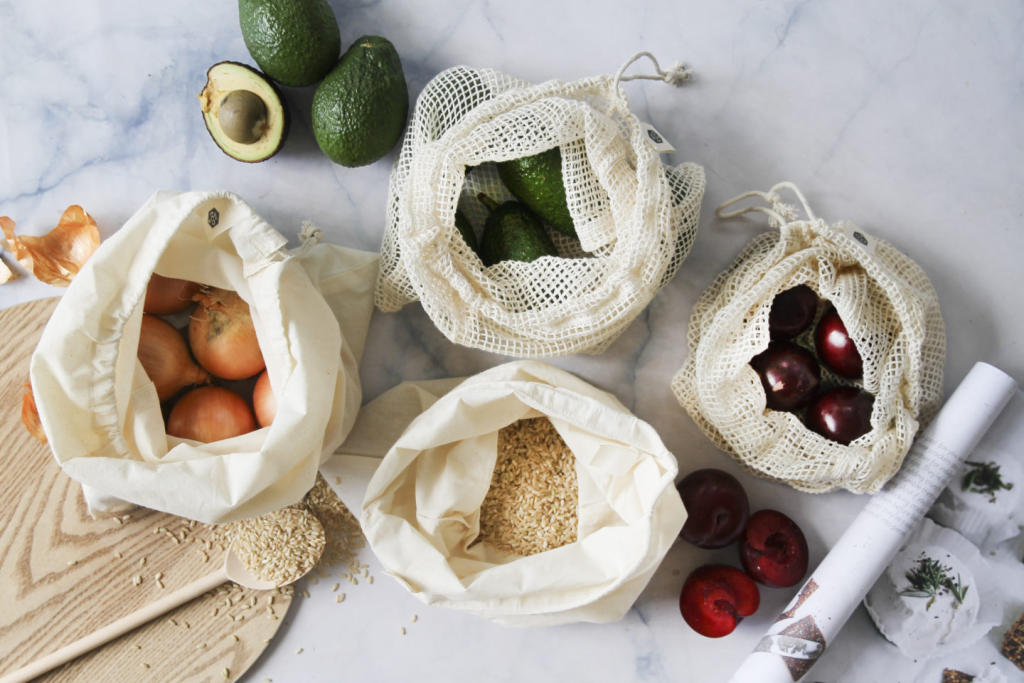
Shopping habits play an important role in maintaining a zero-waste kitchen. Buying pantry staples such as rice, beans, pasta, oats, nuts, and spices in bulk reduces packaging waste while often lowering grocery costs. Bringing reusable shopping bags, produce bags, and refillable containers helps eliminate disposable plastic packaging during grocery trips. Selecting products packaged in glass, cardboard, or recyclable materials further minimizes environmental impact. Supporting local farmers’ markets also reduces transportation emissions and packaging waste while providing fresher produce. Consumers who prioritize reusable packaging naturally generate less household trash. Over time, these mindful purchasing decisions complement other sustainable kitchen practices, creating a more environmentally responsible lifestyle without sacrificing convenience or food quality.
Organizing a Functional Zero-Waste Kitchen
Organization makes sustainable living easier by reducing forgotten food, duplicate purchases, and clutter. Transparent storage containers allow easy visibility of pantry items, preventing unnecessary waste caused by expired products. Grouping similar ingredients together simplifies meal preparation and inventory management. Dedicated spaces for reusable bags, containers, cloth towels, and refill stations encourage consistent eco-friendly habits. Rotating pantry items using the “first in, first out” method ensures older ingredients are used before newer purchases. Keeping compost bins conveniently accessible increases participation in composting routines. A well-organized kitchen naturally supports sustainable behavior because environmentally friendly choices become the easiest options available during everyday cooking and cleaning.
Long-Term Benefits of a Zero-Waste Kitchen
Transitioning to a zero-waste kitchen offers lasting rewards beyond reducing garbage. Households often experience lower grocery bills due to reduced food waste and better meal planning. Durable kitchen products eliminate frequent replacement costs associated with disposable items. Cleaner storage systems improve food safety while encouraging healthier eating habits. Environmentally friendly cleaning products contribute to improved indoor air quality by reducing exposure to harsh chemicals. Families also develop stronger awareness of responsible consumption, influencing sustainable habits throughout the home. Children growing up in zero-waste households gain valuable environmental education through everyday routines. Although the transition may happen gradually, consistent improvements accumulate into meaningful environmental and financial benefits over the years.
Practical Tips for Getting Started
Beginning a zero-waste journey does not require replacing everything immediately. Instead, use existing products until they wear out before upgrading to sustainable alternatives. Start by carrying reusable shopping bags, replacing plastic wrap with beeswax wraps, and switching to refillable containers. Add composting when possible and gradually eliminate single-use products from your daily routine. Focus on buying fewer but higher-quality kitchen tools that last longer. Remember that perfection is unnecessary; consistent progress creates meaningful results. Every reusable item introduced into your kitchen reduces waste while supporting environmentally responsible habits. Building sustainable routines gradually makes the transition easier, more affordable, and far more likely to become a permanent lifestyle.
Conclusion
Building a sustainable kitchen begins with simple, thoughtful decisions that reduce waste while improving everyday living. By adopting Zero Waste Kitchen Essentials, households can significantly decrease disposable plastic use, minimize food waste, and create a cleaner, healthier cooking environment. Sustainable storage solutions, reusable cleaning tools, eco-friendly cookware, and mindful shopping habits all contribute to long-term environmental benefits. These practical changes not only protect natural resources but also save money and encourage responsible consumption. Every small improvement adds up, proving that a zero-waste kitchen is achievable for anyone willing to make gradual, intentional changes. With consistency and awareness, your kitchen can become an inspiring example of sustainable living for future generations.
Leave a Reply