Introduction
As more people embrace healthier lifestyles, interest in Plant-Based Protein Sources continues to grow. Whether you follow a vegetarian diet, a vegan lifestyle, or simply want to reduce your consumption of animal products, adding plant-based proteins to your meals is an excellent way to improve overall nutrition. These foods are packed with essential nutrients, fiber, vitamins, minerals, and antioxidants while generally containing less saturated fat than many animal-based proteins.
Protein plays a vital role in building muscles, repairing tissues, supporting the immune system, and producing important hormones and enzymes. Fortunately, you do not need meat to meet your daily protein requirements. Nature provides an impressive variety of protein-rich foods that are both delicious and nutritious. From beans and lentils to tofu, quinoa, nuts, and seeds, there are countless options to include in everyday meals. Understanding how these foods contribute to a balanced diet helps you make smarter nutritional choices while supporting long-term health, sustainable eating habits, and overall wellness for every stage of life.
Why Protein Is Essential for the Human Body
Protein is one of the three primary macronutrients required for good health. Every cell in the body depends on protein for growth, maintenance, and repair. It supports muscle development, strengthens bones, promotes healthy skin, and contributes to hormone production. Protein also helps produce enzymes that regulate numerous biological processes essential for everyday functioning.
Unlike carbohydrates, protein helps maintain fullness for longer periods, making it valuable for weight management and appetite control. Athletes and active individuals require adequate protein to recover after exercise and maintain lean muscle mass. Children, teenagers, pregnant women, and older adults also benefit from sufficient protein intake to support growth and healthy aging.
Choosing Plant-Based Protein Sources provides these important benefits while also increasing dietary fiber intake. Fiber improves digestion, promotes heart health, stabilizes blood sugar levels, and supports healthy cholesterol levels. This combination makes plant proteins an excellent addition to balanced nutrition for people of all ages and activity levels.
Top Plant-Based Protein Sources to Include in Your Diet
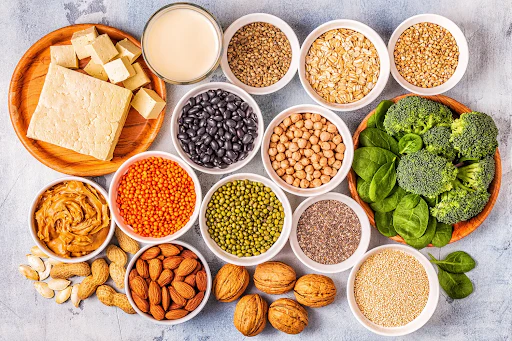
A wide variety of foods offer impressive amounts of plant protein. Legumes such as lentils, chickpeas, black beans, kidney beans, and peas are among the richest protein sources available. They are affordable, versatile, and packed with fiber, iron, and folate.
Soy products like tofu, tempeh, and edamame are complete proteins, meaning they contain all nine essential amino acids. Whole grains such as quinoa and oats also contribute valuable protein while providing complex carbohydrates for sustained energy.
Nuts and seeds, including almonds, peanuts, pumpkin seeds, sunflower seeds, chia seeds, flaxseeds, and hemp seeds, are nutrient-dense options rich in healthy fats and minerals. Vegetables such as spinach, broccoli, and Brussels sprouts also contain moderate protein amounts that add up throughout the day. Incorporating a variety of Plant-Based Protein Sources ensures your body receives a complete range of nutrients while keeping meals flavorful and satisfying.
Benefits of Choosing Plant-Based Proteins
One of the greatest advantages of eating more plant proteins is improved heart health. Plant foods naturally contain less saturated fat and no dietary cholesterol, making them beneficial for cardiovascular wellness. Many studies suggest that diets rich in legumes, nuts, seeds, and whole grains may help lower blood pressure and reduce the risk of heart disease.
Plant proteins are also linked to improved digestive health because they contain dietary fiber, which supports beneficial gut bacteria and regular bowel movements. Additionally, plant-based eating patterns are often associated with healthier body weight due to their filling nature and lower calorie density.
Environmental sustainability is another major benefit. Producing plant proteins generally requires fewer natural resources such as water and land while generating fewer greenhouse gas emissions compared to many animal farming systems. Choosing more plant-based meals can therefore support both personal health and environmental conservation.
How to Get Complete Protein from Plant Foods
Many people worry that plant proteins are incomplete, but this concern is often misunderstood. While some plant foods contain lower amounts of certain amino acids, eating a varied diet throughout the day provides everything your body needs.
Combining legumes with whole grains is a classic example. Rice and beans, lentil soup with whole-grain bread, hummus with whole wheat pita, or peanut butter on whole-grain toast all provide complementary amino acid profiles. Soy products and quinoa naturally contain complete proteins on their own.
The key is dietary variety rather than perfect meal combinations. Consuming different fruits, vegetables, grains, legumes, nuts, and seeds ensures adequate intake of all essential amino acids. This flexible approach makes it easy to enjoy Plant-Based Protein Sources without worrying about strict food pairings or complicated meal planning.
Simple Ways to Add More Plant Protein to Daily Meals
Increasing plant protein intake does not require dramatic dietary changes. Small adjustments can significantly improve nutritional quality. Start your morning with oatmeal topped with chia seeds, almonds, and peanut butter. Add beans or lentils to soups, salads, and pasta dishes for an instant protein boost.
Replace meat in tacos with seasoned black beans or lentils. Prepare stir-fries using tofu or tempeh alongside colorful vegetables. Snack on roasted chickpeas, mixed nuts, or pumpkin seeds instead of processed snacks. Blend soy milk, spinach, and hemp seeds into smoothies for extra protein.
Meal preparation also becomes easier by cooking large batches of legumes that can be added to multiple meals throughout the week. These practical strategies help make healthy eating convenient, affordable, and enjoyable while naturally increasing daily protein consumption.
Common Myths About Plant-Based Protein
Several misconceptions prevent people from embracing plant proteins. One common myth is that plant proteins cannot build muscle. In reality, athletes worldwide successfully build strength and muscle using balanced plant-based diets combined with proper training and adequate calorie intake.
Another misconception is that plant proteins are insufficient for daily nutritional needs. When meals include a variety of legumes, grains, nuts, seeds, vegetables, and soy products, most healthy adults can easily meet recommended protein requirements.
Some people also believe plant-based diets are expensive. However, staple foods like beans, lentils, oats, rice, and peanuts are among the most affordable protein-rich foods available. These budget-friendly ingredients provide exceptional nutritional value while supporting healthy eating habits for families of every income level.
Nutritional Comparison of Popular Plant Proteins
| Food | Protein (Approx. per 100g) | Additional Benefits |
|---|---|---|
| Lentils | 9g | High fiber and iron |
| Chickpeas | 9g | Rich in folate |
| Tofu | 17g | Complete protein |
| Tempeh | 20g | Fermented and gut-friendly |
| Quinoa | 4g | Complete protein |
| Edamame | 11g | High in vitamins |
| Almonds | 21g | Healthy fats and vitamin E |
| Pumpkin Seeds | 30g | Magnesium and zinc |
| Chia Seeds | 17g | Omega-3 fatty acids |
| Black Beans | 9g | Fiber-rich and filling |
Tips for Maintaining a Balanced Plant-Based Diet
A healthy plant-based eating pattern focuses on diversity rather than restriction. Include vegetables of different colors, whole grains, legumes, fruits, nuts, and seeds every day. Drink plenty of water, limit highly processed foods, and choose minimally processed ingredients whenever possible.
Vitamin B12, vitamin D, calcium, iodine, iron, zinc, and omega-3 fatty acids deserve attention when following long-term vegetarian or vegan diets. Fortified foods and appropriate supplements may help meet individual nutritional needs when recommended by healthcare professionals.
Meal planning is another effective strategy for maintaining consistency. Preparing balanced meals in advance reduces reliance on convenience foods while ensuring sufficient protein intake. Rotating different Plant-Based Protein Sources throughout the week also keeps meals interesting and nutritionally complete.
Conclusion
Choosing Plant-Based Protein Sources is a practical and nutritious way to support overall health while enjoying delicious, satisfying meals. These foods provide high-quality protein along with fiber, vitamins, minerals, and antioxidants that contribute to long-term wellness. Whether your goal is improving heart health, maintaining a healthy weight, building muscle, or reducing your environmental impact, plant proteins offer remarkable benefits.
A varied diet that includes legumes, soy products, whole grains, nuts, seeds, and vegetables supplies the essential nutrients your body needs every day. Small dietary changes can create lasting improvements in energy, digestion, and overall health. By incorporating more Plant-Based Protein Sources into your daily meals, you can build a balanced eating pattern that supports both personal wellness and a healthier future for the planet.
Leave a Reply